What’s In The Box with Recipe Suggestions
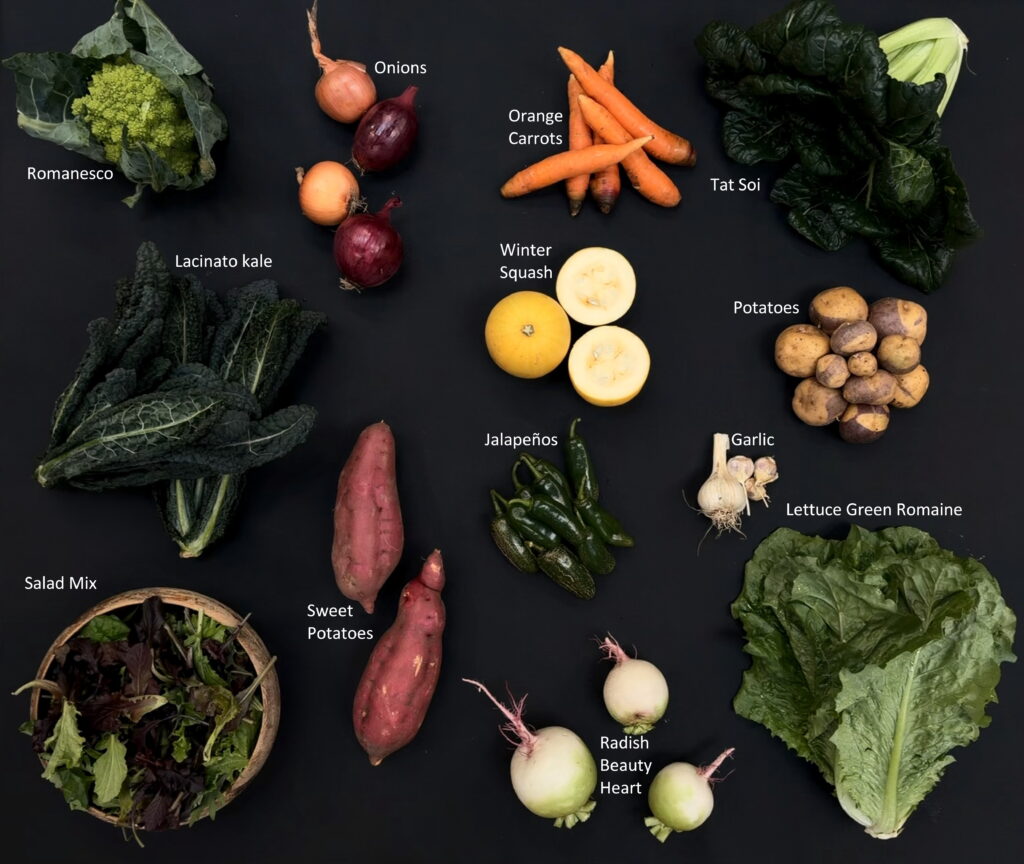
Cauliflower, Broccoli or Romanesco: Our fall Cauliflower and Romanesco crops continue to trickle in. All these selections may be used interchangeably in recipes calling for cauliflower. Include them in soups, stir-fry, baked casseroles, or fresh vegetable salads.
Roasted Cauliflower & Lentil Tacos with Creamy Chipotle Sauce
Italian or Porcelain Garlic: Garlic cloves are great when poached in olive oil, also known as confit. The garlic softens and becomes sweet and caramelized while the oil is infused with garlic essence.
Green Jalapeño Pepper: We are sending quite a few jalapeno peppers in your box this week. If you don’t feel that you have a use for them all, pop them into the freezer or turn them into a small jar of pickled jalapenos so you can enjoy them later!
Red and Yellow Onions: Use your onions from this week’s box to enhance many different dishes by adding a savory base to them. Onions have also be found to support gut health via stimulating the growth of beneficial gut bacteria as well as strengthening the lining of your large intestine.
Caramelized Onion, Apple and Brie Tart
Beauty Heart Radish: This radish is a winter storage radish with a creamy colored skin that often has green around the top. When you cut it open you’ll find a vibrant pink interior. If you are not into the spice that radishes possess, then this is your radish. Nearly all of the spice in this radish is in its skin, so feel free to peel it and simply enjoy its sweet inner flesh.
Lacinato (Dinosaur Kale): Most of you may know this, but many times it is good practice to massage your kale before cooking and eating it. Often times Kale is massaged before it is used in cooking for a number of reasons. Massaging the leaves helps to reduce their bitter flavor and softens their tough fibers, which is especially helpful for digestion. Massaging the kale with salt or vinegar can also be a great aid in the breaking down of kale’s tough fibers and cutting back on its bitterness.
How to Massage Kale for Better Salads
Salad Mix: Using your salad mix from this week’s box, you could make a (relatively) high-protein salad by adding your mix to a dish of beans and quinoa. Otherwise, if you are looking for a little more protein in a meal, you could try the Chicken Piccata Salad linked below.
Quinoa-Bean Salad With Lots of Dill
Orange Carrots: Use this staple vegetable to add background flavor to fall soups, stews, broth, salads, etc. Of course you may also choose to just munch on them raw!
Bayou Belle Sweet Potatoes: The Bayou Belles have a purplish-red look to them. I would say that their skin looks very much like that of a red potato’s. Bayou Belles are a very sweet Sweet Potato, and they hold a firm texture even after baking. The latter of these two features makes Bayou Belle’s an excellent choice for making Sweet Potato Fries and mixed veggie and pork sheet pan dishes as they are less prone to turning to mush and instead hold their cut shape.
Pork, Apple, and Sweet Potato Sheet Pan Supper
Green Romaine Lettuce: Use the firm bowl structure of the Green Romaine Lettuce leaves to make chicken lettuce wraps. Check out the recipe below!
Homemade Chicken Lettuce Wraps
Masquerade or Purple Viking Potatoes: Both Masquerade and Purple Viking Potatoes have bicolored. Masquerade has a gold base with large purple spots, while Purple Viking have a dark purple base with light pink streaks throughout. When compared to a standard Red Potato variety, Purple Viking are considered to have a more sweet and buttery taste, while Masquerade offer a buttery and nutty flavor. Both Masquerade and Purple Viking can be used in cooking the same way one would cook any other potato, however, if you wanted to maintain their unique skin patterns, you could consider making baked potatoes out of them.
Tat Soi: This is the big, beautiful green with spoon shaped leaves and light green stems. It may be eaten raw or cooked. Use it in ways similar to how you might use spinach, chard or other greens.
Spicy Sweet Potato and Tatsoi Soup
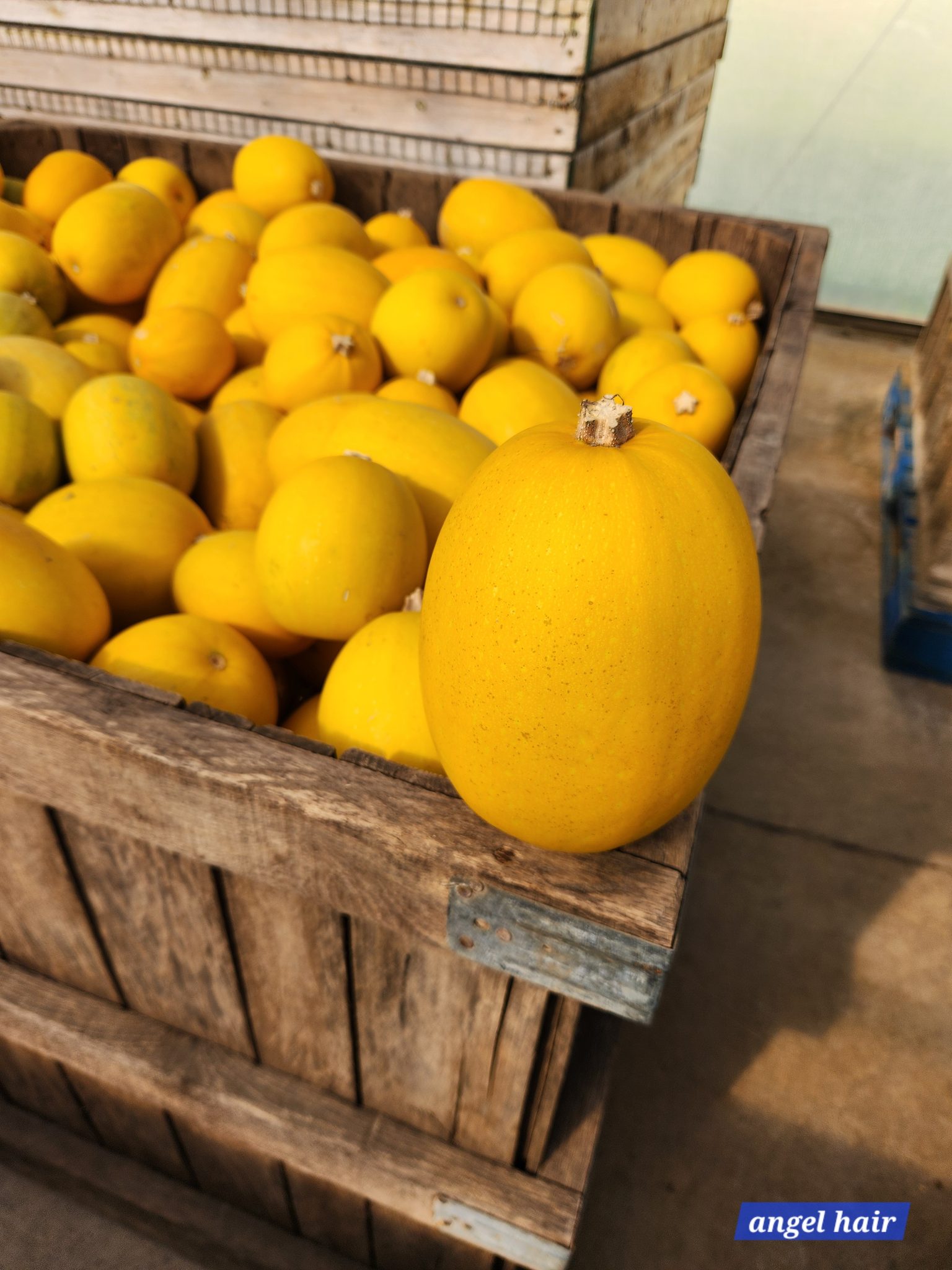
Angel Hair Winter Squash: This week’s box contains yet another variety of Winter Squash, Angel Hair! Check out the Feature Recipe section to learn more about Angel Hair and our other Winter Squash varieties!
Spicy Garlic-Parmesan Spaghetti Squash with Bacon
Feature Vegetable: Winter Squash
We grow a wide variety of winter squash which we started distributing in early October this year. We strive to grow a variety of types that are aesthetically pleasing while still being interesting, delicious, sweet and flavorful! While winter squash is a vegetable meant to be stored and eaten over time, not all winter squash varieties have the same shelf life. This week’s Angel Hair Winter Squash is a variety with an average skin thickness and a typical shelf life of 2 to 3 months. As you may have guessed, Angel Hair is a Spaghetti Squash, and like other Spaghetti Squash, Angel hair has a smooth, uniform surface. It has tough skin and small stringy flesh that when carved out looks like spaghetti, hence why it is called a Spaghetti Squash. It has a mildly sweet, nutty flavor that works well as a pasta substitute with pasta sauces. Angel Hair is a rather small Spaghetti Squash and is a little smaller than acorn squash. Some varieties such as Hubbard and Mini Butternut can store deep into the winter months, and still other varieties such as Tetsukabuto and Winter Blush can store even into early Spring.
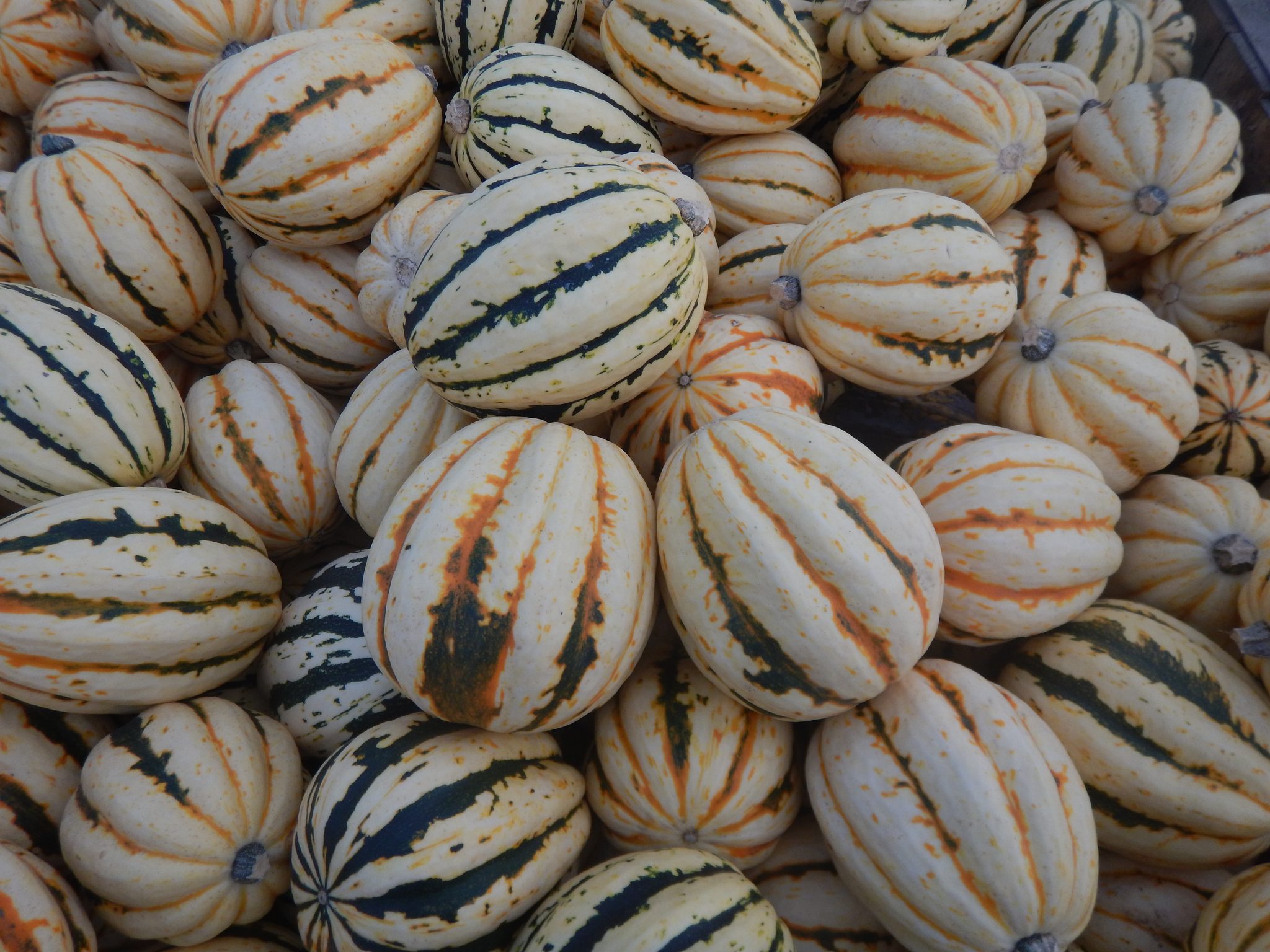
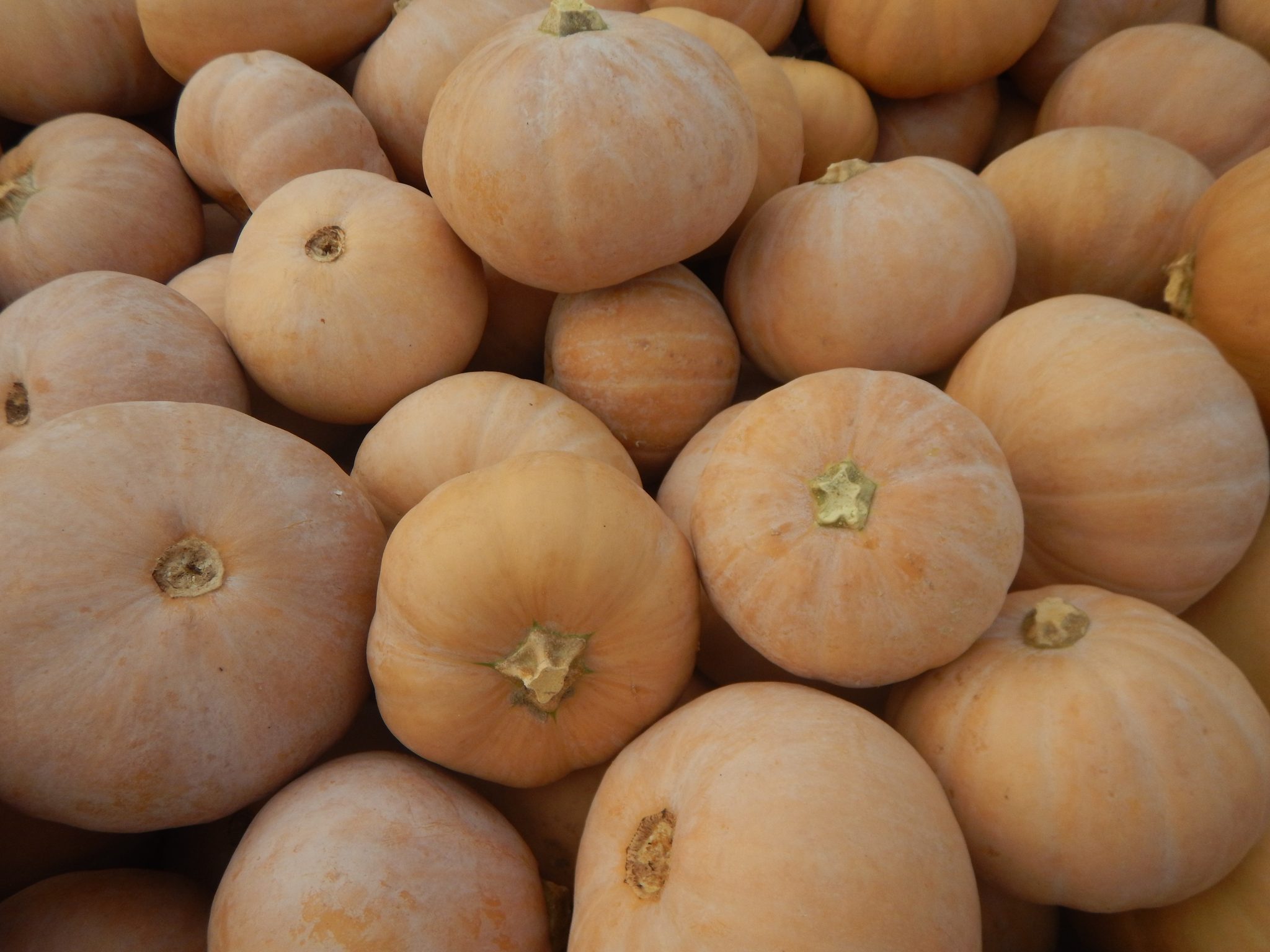
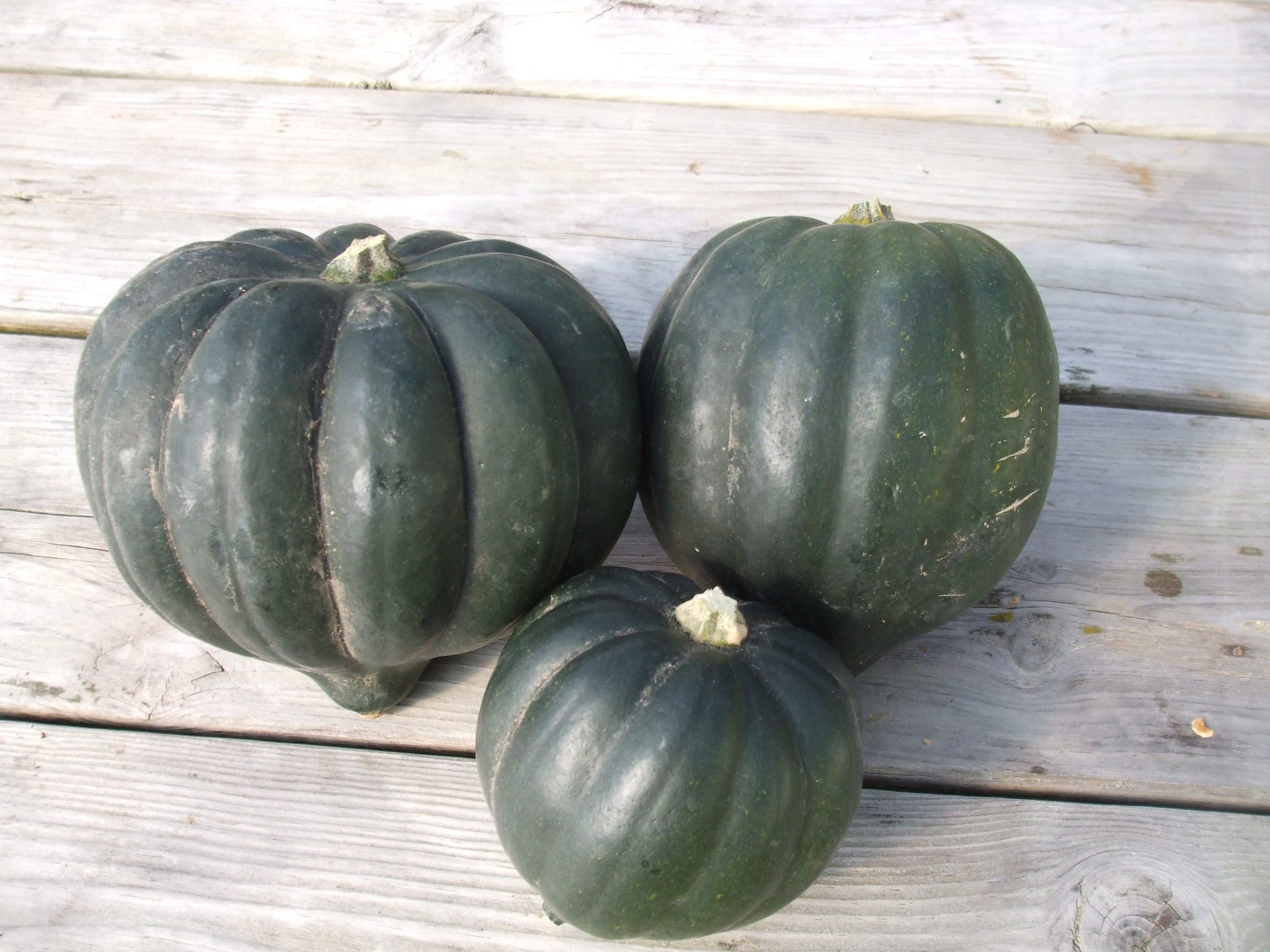
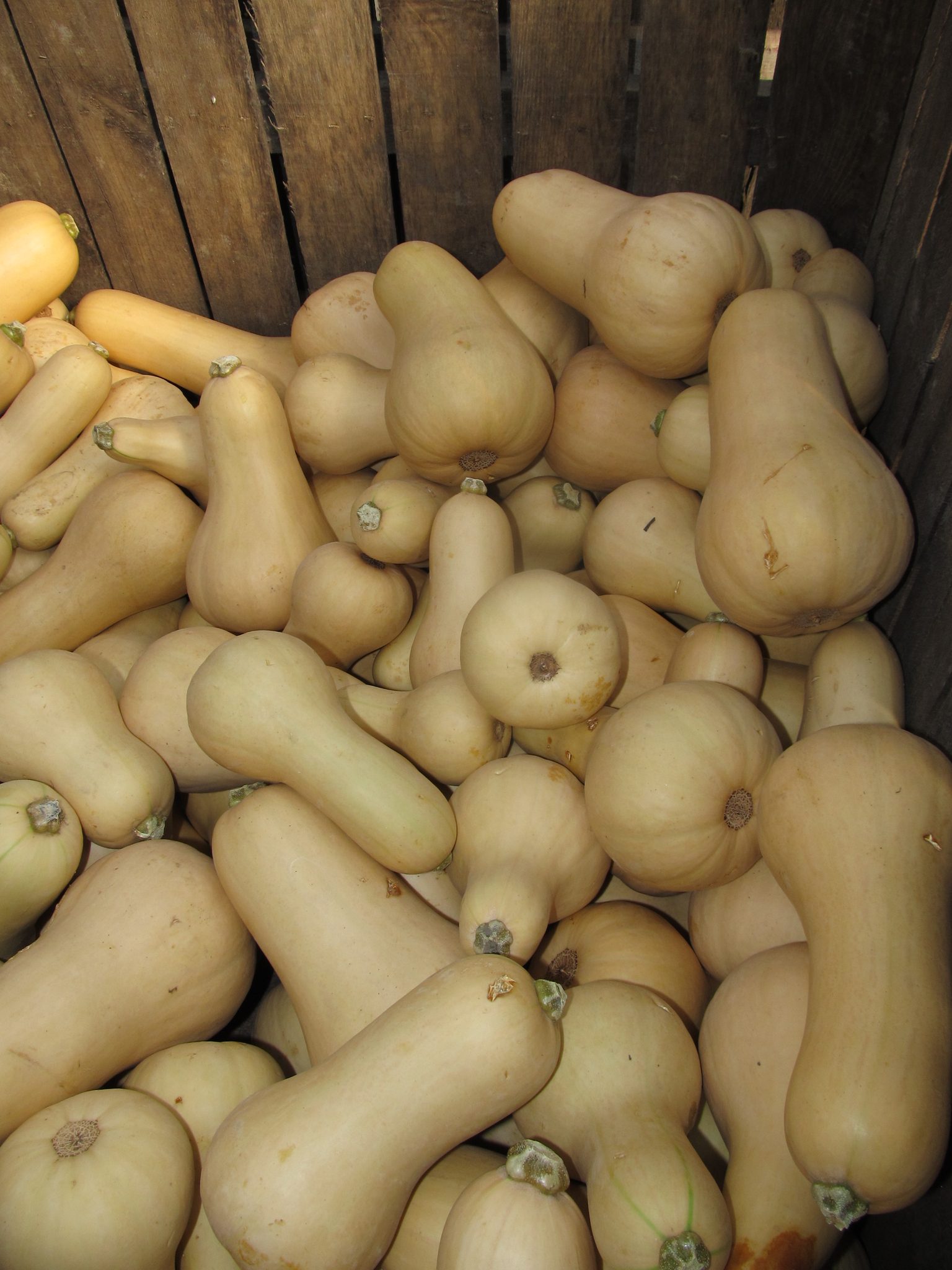
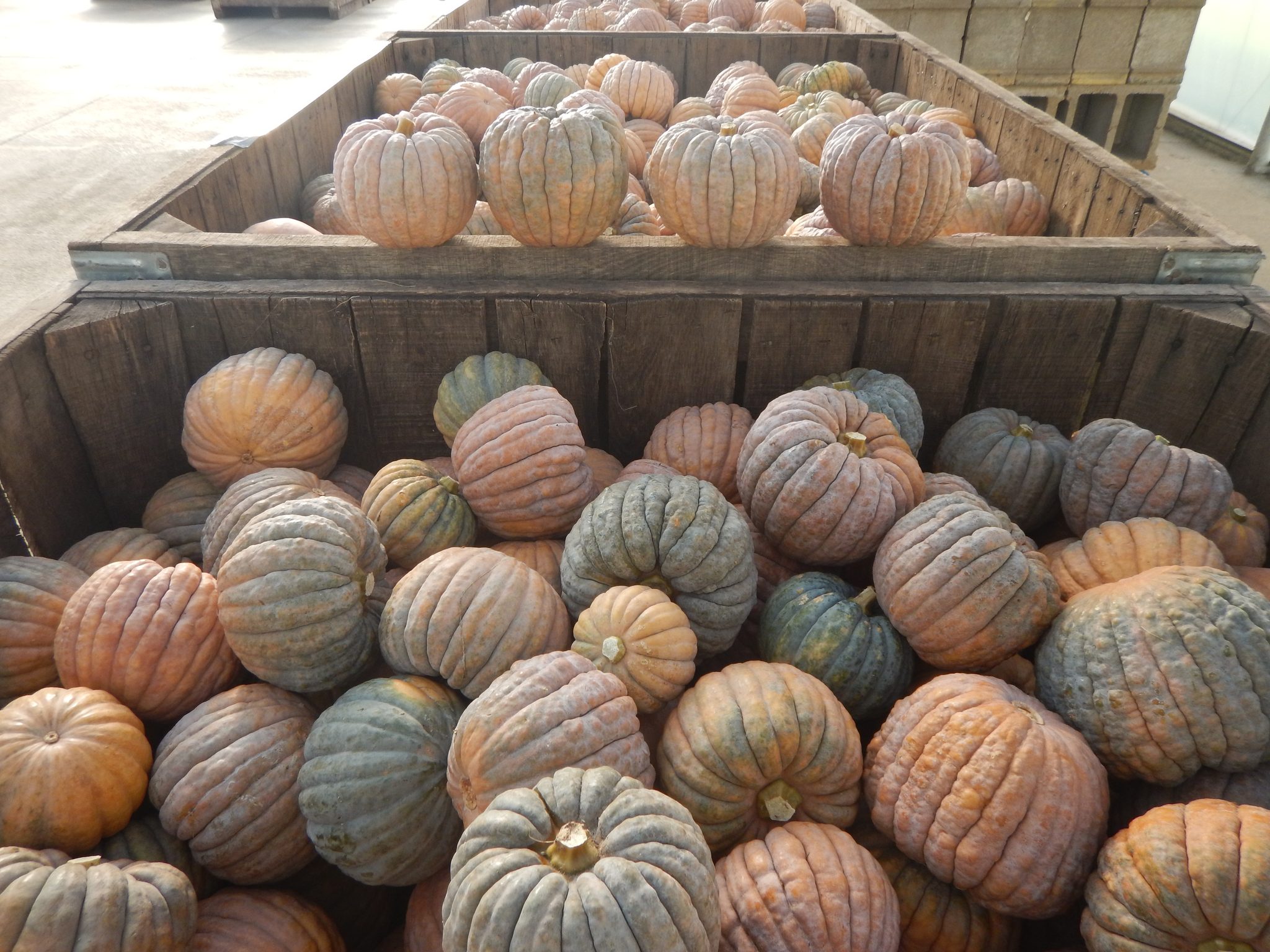
This year we have already sent out some of our other Winter Squash varieties. In October, there was the Black Futsu and the Butterkin Winter Squash. Despite having thin edible skin, the Black Futsu is still a capable Winter Storage Squash that can keep up to 5 months. Butterkin Winter Squash is a thick-skinned variety that under ideal conditions can store for up to 6 months.
The optimal storage temperature for winter squash is 45-55°F. This may be difficult to achieve in a home setting, so my recommendation is to choose a cool, dry place in your home if possible, even if it is a little warmer than 55°F. Many people choose to store winter squash in the garage or basement, which is fine to do as long as these spaces don’t get too cold in the winter and if they aren’t too humid. We also do not recommend storing winter squash in the refrigerator. As I mentioned, storage at temperatures less than 45°F may cause chill injury which will shorten the storage potential of your squash. Honestly, it’s fine to also store them at room temperature, beautifully displayed in your kitchen or living space. They will add beauty to your space until you’re ready to eat them!
Keep an eye on your squash and check them periodically if you’re keeping them for an extended time. Look for any spots starting to form that may indicate the start of deterioration. If you do see a problem spot, don’t automatically throw it out! I repeat, do not throw it out! If you catch it early, the problem may only affect a very small portion that may be cut away. If that’s the case, don’t delay, it’s time to cook the squash before the issue gets bigger! If you really aren’t ready to eat the squash though, you can still cook it, scoop out its flesh and freeze it. Better to do this so you can preserve the flesh than surrender it to the compost bin!
In terms of cooking and eating, some Winter Squash are better than others for specific recipes and uses. For instance, Spaghetti Squash varieties are of course better than other squash as noodle and spaghetti substitutes in various pasta recipes. Butternut, Butterkin and Orange Kabocha are varieties that are great in sheet pan dishes such as the one in the above Bayou Belle Sweet Potato section. There are so many different ways you can use winter squash though. You can include it in soups, stews, sauces, casseroles, hot dishes, pasta dishes, baked goods, desserts, or just eat it with a little butter, salt and pepper. Don’t be afraid to create tasty pizzas, tacos, quesadillas, curry dishes and anything else you might dream up! There will be more Winter Squash coming in these next last three 2026 CSA Boxes!