
What’s In The Box with Recipe Suggestions
Baby Bok Choi: Prepare bok choi in a way similar to head lettuce. Separate the individual leaves from the base of the plant and wash well in cold water before using them. Both the green leaves and the thicker white base of the stems are edible and may be eaten raw in salads or cooked!
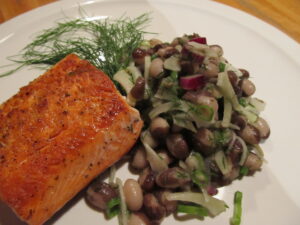
Stir-Fried Bok Choy with Peanut Sauce
Fennel: While the bulb is the most used portion, the feathery fonds and the stalks are also usable. Fennel has a distinct flavor, reminiscent of anise or licorice. The flavor is more intense when eaten raw, so if you are looking for something milder, consider cooking it. Add it to pasta dishes, roasted vegetable blends, soups, stews, sauces, or stock where it will function more as an “aromatic” and add a nice, slightly sweet, background flavor.
Farmer’s Market Vegetable Soup
Garlic Scapes: This is the curly, skinny, wild looking green vegetable in this week’s box! They grow out of the center of a hard-neck garlic plant, but we remove them so the plant can focus its energy into making a nice, big bulb. While we used to throw them away, one day we became enlightened and realized they are actually edible and quite flavorful! Use them anywhere you would use bulb garlic.
Lemon Garlic Scape Compound Butter
Garlic Scape Herbed Cream Cheese
Kailan Branching Broccoli OR Rainbow Chard: Branching Broccoli is similar to Broccoli in appearance and flavor but has a slightly bitter taste. It has a thick central stalk, glossy blue-green leaves, and small florets that emerge from the center.
Rainbow Chard: This gorgeous green is one of our summer favorites. As mentioned above, it is a cousin to beet greens so these two vegetables may be used interchangeably in recipes. Chard is most often cooked but may also be eaten raw in salads. The colorful stems are also edible!
Swiss Chard Salad with Lemon, Parmesan and Breadcrumbs
Warm Lentils with Wilted Chard, Roasted Beets & Goat Cheese
Green Kale: Kale has thicker leaves that require longer cooking time. The leaves may also be softened by massaging them with oil and salt, which makes a great base for a simple raw kale salad.
Lemon Kale Muffins
Spicy Kale and Coconut Fried Rice
Kohlrabi: Peel the lower bulb for a tender, crispy, white flesh that is slightly sweet and reminiscent of cabbage. The leafy green tops are also edible and may be substituted in any recipe calling for collards.
Kohlrabi Slaw with Cilantro, Jalapeno & Lime
Mini Green & Red Lettuce: Use these delicate lettuces as a base for a salad or mix them in with kale or spinach for some variety.
20 Lettuce Wrap Recipes You’ll Want to Devour Stat!
Boston Lettuce Salad with Citrus-Honey Vinaigrette
Purple Scallions: This week we’re moving into our spring planted scallions. We started these from seed back in late February, and here they are just four months later! Scallions and green onions are the same, thus may be used interchangeably.
Scallion Vinaigrette (use scallions in place of the shallots)
Peking Ta Ching Kou Pai Tsai: This is a new to the farm ‘Chinese broccoli’ type green from Beijing (formerly Peking). It has large, tender, purple-colored leaves that can be enjoyed as you would kale, collards and chard, making them suitable for sautéing, steaming, or incorporating them into soups and salads.
Stir-Fried Asian Collard Greens
Salad Mix: The nice thing about salad mix is that we’ve done all the hard work. The only thing left for you to do is keep it cold until you’re ready to eat it!
Spring Salad with Strawberry Balsamic Vinaigrette
Mixed Greens Salad with Cilantro-Lime Vinaigrette
Spinach: The leaves are more tender and delicate, perfect for use in fresh salads dressed with a light vinaigrette or a thinner creamy salad dressing.
Healthy Spinach Chicken Meatballs
Spinach Quesadillas with Spicy Pinto Beans
Strawberries: Our season is just starting! The berries are beautiful and very sweet and flavorful! Our varieties are not meant for shipping and a long shelf life. Rather, we select for flavor and sweetness. As such, we encourage you to eat your strawberries within a few days of receiving them for best results.
Strawberry Poppyseed Salad with Goat Cheese Croutons
Vegetable Feature: Fennel
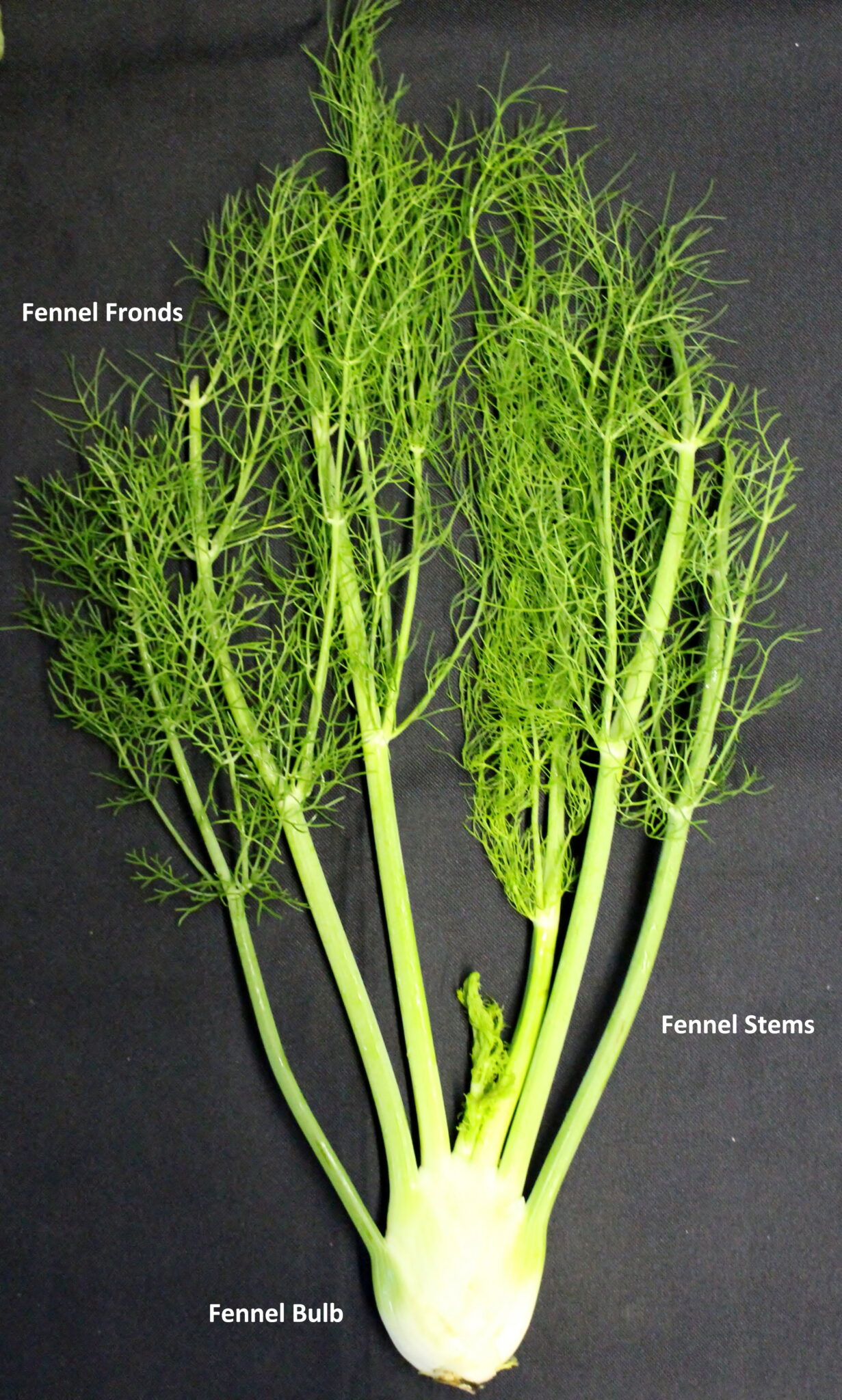
One of the unique characteristics about fennel is that all parts of the plant above ground are usable, which is why we call it “The Three In One Vegetable.” The white bulb is the most commonly used portion, but the stalks and feathery fronds that extend from the bulb are also edible. The stalks can be more tough and fibrous, but they have a lot of flavor. The feathery parts that resemble dill are actually called fronds. They have a mild flavor and can be used more like an herb.
Fennel may be eaten raw and cooked. It pairs well with a variety of ingredients and flavors, so when you’re looking at recipes, you’ll likely see similar ingredients show up time after time. Fennel pairs well with lemons, oranges, and grapefruit as well as herbs such as dill, parsley, thyme, and basil. It also plays well with beets, tomatoes, celery, onions, carrots, potatoes, pomegranate, apples, stone fruit, and berries. It is often used in dishes along with Parmesan, cream and white wine which come together to make a delicious sauce. Lastly, fennel pairs well with seafood, especially in soups and chowders, and pork products including sausage, pancetta, prosciutto, fresh pork cuts and more. While most think of fennel as a vegetable to use in savory dishes, it can also be used in sweet preparations paired with honey, citrus, berries, etc.
The stalks and bulbs typically have the strongest flavor. If you enjoy the flavor of fennel, you’ll likely enjoy it raw. It should be sliced very thin, like paper thin! Fennel bulbs are very fibrous and dense. If you slice it thinly it is more tender and enjoyable to eat, plus it mingles better with other flavors in the dish. In its raw form, fennel bulbs are often used in simple raw salads and can also be used in fresh salsas, pickled, or preserved in alcohol to make your own digestif. When you cook fennel, the essential oils that give it its distinct flavor and aroma volatilize and the flavor and aroma of fennel mellow and become milder and sweeter. For those of you who are still learning to like fennel, this is Tip #1! If you find the flavor of raw fennel too strong, cook it! Fennel is delicious when roasted, simmered into sauces and soups, or sautéed and then added to recipes such as meatballs, warm grain salads, compotes, etc.
The stalk may be eaten but seldom is. Rather it is often used for flavoring. We like to save the stalks and add them to vegetable or meat broth or just stick the whole stalk directly into a pot of soup to flavor it while cooking and then pull it out before serving. It can also be used as a stirring stick for cocktails or to flavor water, lemonade, etc. In a previous year we featured a recipe for Candied Fennel Stalk that is quite tasty. It’s a great treat to munch on after a meal to help aid with digestion and appeal to that desire for something sweet.
Finally, let’s talk about the mild, feathery fronds. Chop them up and use them as an herb-like garnish on salads, stirred into soups, cooked rice or as a final topping on a pizza. You can also blend them into smoothies and drinks or use them to make a cocktail.
Fennel should be stored in a plastic bag or other closed container in the refrigerator to keep it crisp until you are ready to use it. Take the time to wash the fennel bulb well before using it. Sometimes a little dirt can get in between the layers of the bulb as it grows. The layers of the bulb are held together by the core at its base. Sometimes you may wish to leave the core intact to hold the layers together, such as when you may cut it into wedges and roast it. In other recipes where you may want the layers to fall apart, cut the core out of the base of the bulb and you’re ready to go.
In addition to its culinary value, fennel has some health benefits. It can soothe the stomach and GI tract; thus, it’s often used to help with digestion. It can also freshen breath and has other potential health benefits including being antibacterial and working as an antioxidant to remove free radicals in our bodies. It is high in fiber and vitamin C in particular.
Farm Update
We are one week away from our Strawberry event and our field is producing! The heat and humidity is rough on us but seems to be wonderful for the strawberry ripening! We have 3 different varieties ready to harvest at the same time this season. We do choose varieties for flavor, not necessarily for their storage ability. Along with some recent rains, please make sure you are keeping an eye on them and eating or processing them as soon as you can.
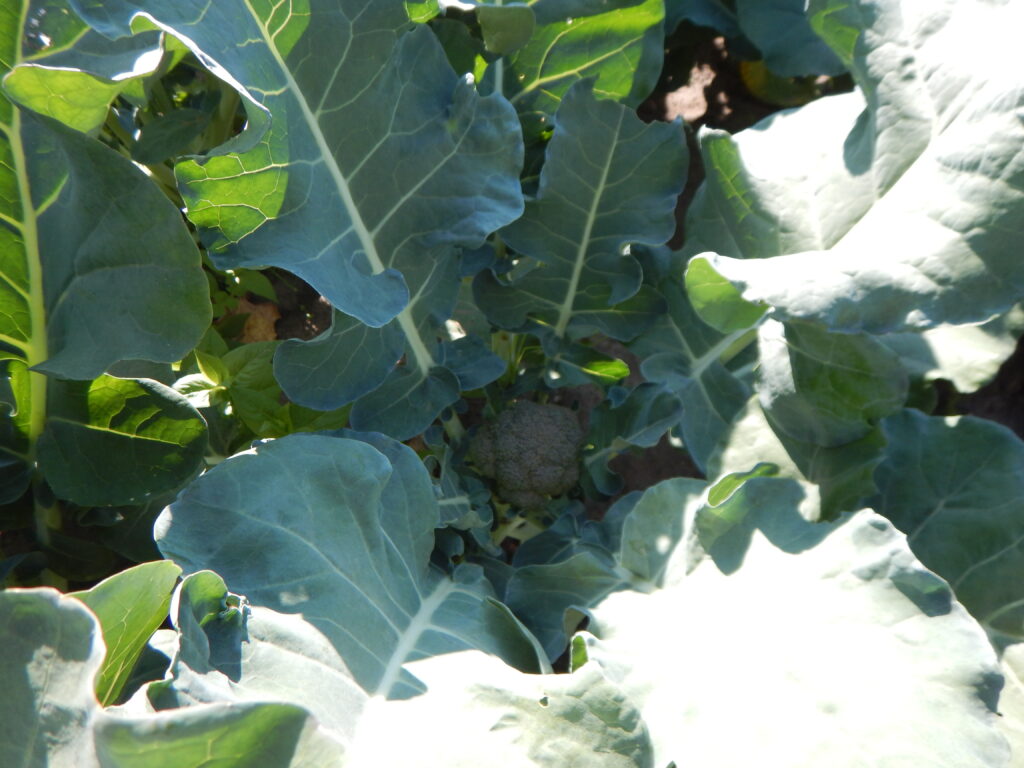
We are seeing signs of summer on the way. Not just the warmer temps, but we will soon see the start of zucchini season. I have also seen peeks of cauliflower and broccoli! All should be making their way to your CSA boxes soon!